
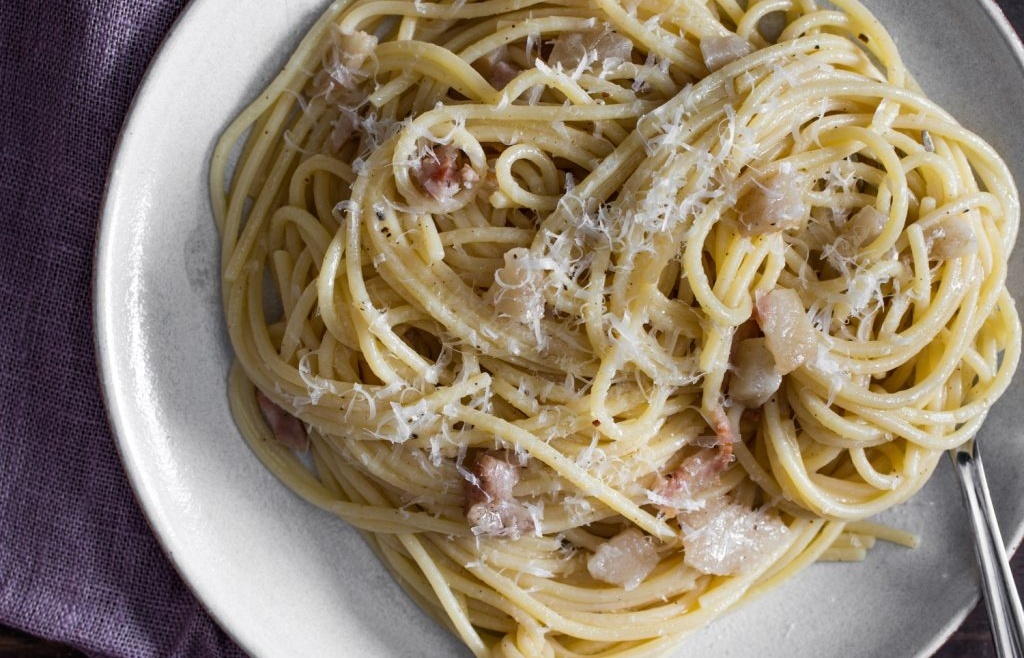
Cooking pasta seems to be so obvious. Just a matter of mixing water and pasta and you get your dinner right. But it is worth noting that sometimes the things that appear too simple can turn out to be the trickiest.
To get great pasta, the sauce must emulsify and coat the noodles at the right moment when perfectly cooked. To determine whether you have followed the process rightly is pretty easy. After eating, there need not be any sauce left at the bottom of your pasta dishes simply because all the sauce got stuck to the noodles.
If you are wondering how you can make excellent pasta, take a deep breath, and relax. This article has the best, easy tips that will help you cook classic pasta.
Use a large pot
Picking a large and wide pot gives the pasta enough room to move around. It will allow you to add between eight and twelve-quart stockpot.
Add a lot of water
A standard 16 oz. pasta package requires about five or six quarts of water. Avoid the temptation to use less water to reduce the time the spaghetti will take to boil. The same way the pasta needs a large pot, plenty of water is also of great necessity to ensure every strand is totally submerged.
To make the water boil faster, cover the pot with a lid, but ensure it is partially uncovered so that you can hear the water as it starts to boil. The gap left by the lid also prevents the water from boiling over before you turn it down.
Salt the water
Ensure that you put enough salt to give taste to your classic pasta. Six quarts of water will require at least a tablespoon of salt. You can even use two tablespoons of salt for the 6 quarts of water to make your pasta sea-water salty. The essence of salty water is to boost the flavor of your pasta.

Ensure the water boils to the maximum
Ensure the water is boiling vigorously before you put in the pasta. Note that the temperatures of the water decrease when you put the pasta, and so it will be wrong to put pasta when the water is just at a simmer. To make the water boil more quickly; cover the pot with a lid again. But be keen to note when the water starts to boil again. Take off the lid and start stirring.
Stir the pasta to prevent it from sticking
You cannot be making pasta while at the same time, you are on Instagram, Twitter, or even following an episode from your favorite movies. Understand you are on pasta duty and so you must be alert to notice when the water starts boiling. Ensure that you stir the pot two or three times during the cooking process. Don’t allow the strands to clump. Great pasta has swirled, free, and unencumbered strands.
Test the pasta about two minutes before it gets ready
Confirm from the packet for the cook times. You will realize that a range of time is usually given depending on the pasta and the package. Start checking the doneness from the minimum time given. Use a pasta fork to fish out one strand and taste it. If the pasta is not as soft as you want, allow it to cook a bit.
Save a scoop of pasta water
Once the pasta has cooked to your preference level, scoop out one cup of the water before you drain it. This starchy water is excellent for the Italian Cuisine. It can be used to thin down thicker sauces or to bind the pasta and the sauce together.
Drain, toss with sauce, and serve while hot
Drain the pasta using a colander and put the drained pasta back to the pot with sauce, add the pasta water, and toss it to ensure it coats evenly.
The bottom line
As simple as it appears to be, cooking the Italian Cuisine pasta requires keenness and strict adherence to the simple details. By doing so, you will have your pasta cooked perfectly. However, in case your pasta is undercooked, you can still put it back to the pot, add your sauce, and allow it to cook under medium-high heat for one or two minutes.